
There’s something magical about stepping off the well-trodden tourist path and discovering places that feel like they’re yours alone to explore. Last month, I found myself wandering through Portugal’s lesser-known coastal villages, and the experience was nothing short of transformative.
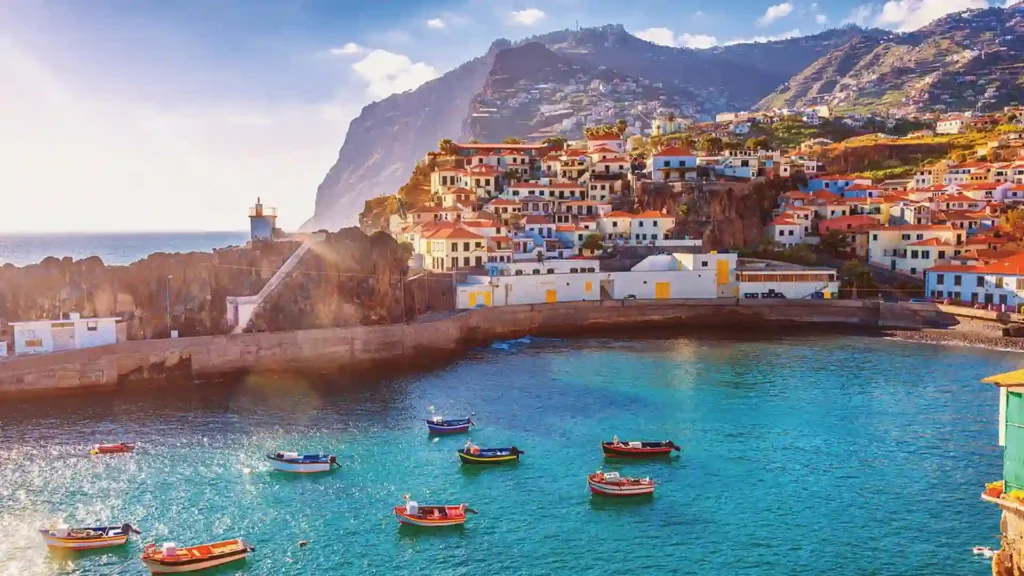
Why Portugal’s Coast Captured My Heart
Portugal often conjures images of Lisbon’s colorful streets or Porto’s famous wine cellars. But venture beyond these magnificent cities, and you’ll discover a coastline dotted with fishing villages where time seems to move at a different pace.
The journey began as a simple desire to escape the crowds. I wanted authenticity—places where locals outnumbered tourists, where menus weren’t translated into five languages, and where the rhythm of daily life remained untouched by the demands of mass tourism.
Ericeira: Where Surfers and Tradition Coexist
My first stop was Ericeira, a whitewashed village perched on dramatic cliffs about 50 kilometers northwest of Lisbon. Known as Europe’s only World Surfing Reserve, Ericeira balances its growing popularity among wave-chasers with a deeply traditional Portuguese soul.
Mornings here started with pastéis de nata and strong coffee at local bakeries where elderly men gathered to discuss the day’s fishing conditions. By afternoon, I’d find myself on Ribeira d’Ilhas beach, watching surfers dance across waves while fishermen mended their nets nearby—a perfect visual metaphor for how this village embraces both tradition and change.
The narrow cobblestone streets revealed tiny restaurants where I feasted on cataplana (seafood stew) prepared from recipes passed down through generations. No reservations needed, just patience and a willingness to dine whenever a table became available.
Nazaré: Beyond the Monster Waves
Nazaré has gained fame for its gigantic winter waves that attract daredevil surfers from around the world. But visit outside the big wave season, and you’ll find a different kind of charm.
The town is split between the beach level (Praia) and the clifftop neighborhood (Sítio), connected by a funicular that’s been operating since 1889. Women still wear the traditional seven-layered skirts while selling dried fish along the promenade, a practice that dates back centuries.
One evening, I found myself in a tiny restaurant where the owner insisted I try his homemade ginjinha (sour cherry liqueur) after dinner. “This is not for tourists,” he winked, pouring the ruby liquid into small chocolate cups. “This is for friends.” That simple moment of connection over a local delicacy embodied everything I was seeking.
Salema: The Algarve’s Best-Kept Secret
While the Algarve region draws millions of visitors annually, the tiny fishing village of Salema remains refreshingly authentic. Tucked between Lagos and Sagres on the western Algarve, this village of whitewashed houses trimmed with bright blue paint feels worlds away from the region’s resort towns.
Each morning, I watched fishermen return with their catches, selling directly to locals and the few restaurants lining the main street. By afternoon, I’d explore the dinosaur footprints preserved in the rocky outcrops at the beach’s western end—a reminder that this coastline has witnessed far more history than humans can comprehend.
The simplicity of days in Salema became a meditation: breakfast overlooking the Atlantic, afternoons reading on the beach, evenings spent at family-run restaurants where the day’s menu depended entirely on what the boats had brought in.
Lessons from the Journey
Travel has always been my greatest teacher, and Portugal’s coastal villages offered lessons I hadn’t expected:
- Patience rewarded: Some of my most memorable experiences came from simply sitting still—watching village life unfold around me rather than rushing from one attraction to another.
- Language connects: My broken Portuguese attempts were met with genuine appreciation and often led to conversations that wouldn’t have happened otherwise.
- Seasonality matters: Visiting in shoulder season (late May) meant I experienced these villages as they truly are—not overwhelmed by summer crowds nor too quiet in winter.
- Food tells stories: Every meal became a history lesson, with dishes reflecting centuries of maritime tradition, Moorish influence, and the simple necessity of preserving seafood before refrigeration.
Finding Your Own Hidden Gems
If this journey has inspired you to seek out Portugal’s coastal treasures, here are a few tips:
- Rent a car for flexibility—public transportation exists but limits how far off the beaten path you can venture
- Learn basic Portuguese phrases—even simple greetings open doors
- Stay at least three nights in each village to truly absorb its rhythm
- Eat where the locals eat, even if it means dining at 9 PM or later
- Pack layers—coastal winds can make evenings chilly even in warmer months
The Portugal I discovered wasn’t the one featured in glossy travel magazines. It was something more authentic—a coastline where fishing traditions remain alive, where community still matters, and where visitors willing to slow down are rewarded with experiences that feel genuine and personal.
Sometimes the most meaningful journeys aren’t about ticking off famous landmarks but about finding those quiet corners of the world that remind us why we travel in the first place: to connect, to learn, and to return home somehow changed.
What hidden coastal gems have captured your heart? I’d love to hear about your own discoveries in the comments below.